The Route - Visual Identity Logo Design & Identity Rooted in Sarakatsani Symbolism
Visual Identity for a Cultural Research Project
The project was commissioned by the Ethnology Department at Plovdiv University as part of a long‑term research initiative dedicated to the Sarakatsani community — one of the most distinctive nomadic groups in the Balkans. The goal was to create a visual identity that supports academic work while honoring the community’s traditions, symbols, and historical narrative.
Logo Design Rooted in Sarakatsani Symbolism
The logo is based on the geometry of the traditional Sarakatsani flag — a square frame with inward‑facing corner elements. In the original symbol, a cross occupies the center; in the redesigned version, the cross is replaced by a circle, creating a more universal sign of movement, continuity, and cyclical paths. The final mark is rotated 45 degrees, transforming the square into a dynamic diamond shape. This subtle shift introduces direction and momentum, echoing the nomadic rhythm of the community. The color variations — deep charcoal, warm ochre, saturated red, and soft cream — reference natural dyes found in traditional textiles and garments.
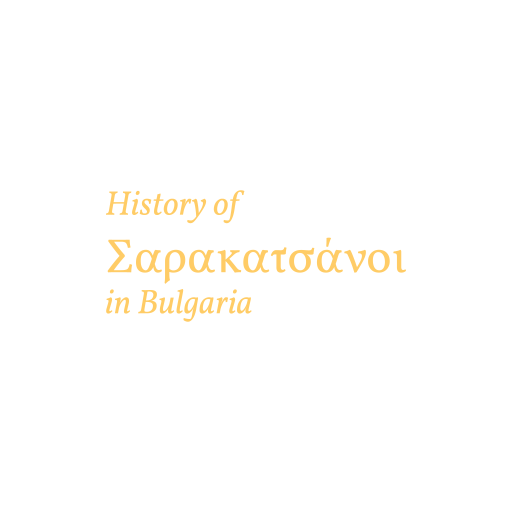
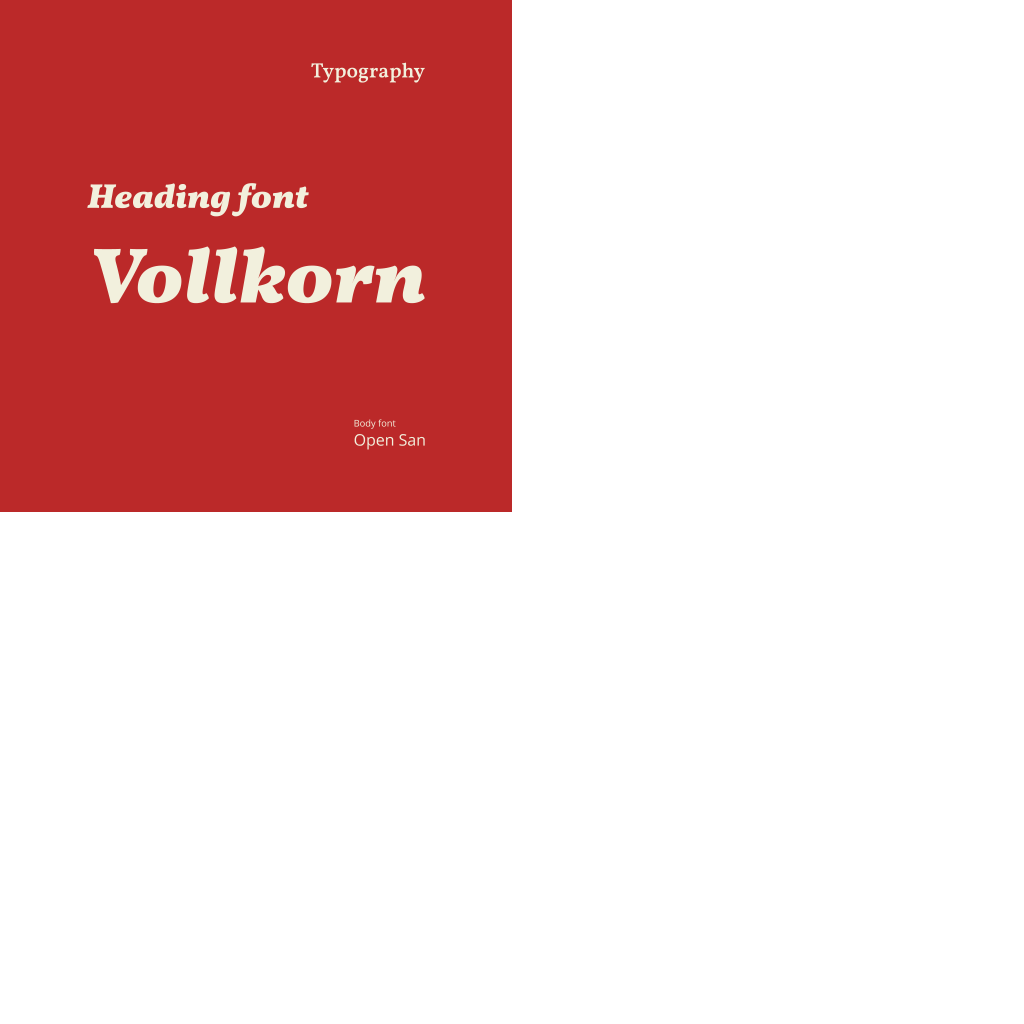
To translate ethnographic research into a contemporary visual system — one that respects the Sarakatsani heritage while remaining functional for academic, cultural, and public communication. The identity was constructed around three core elements: – a logo derived from the Sarakatsani flag, reinterpreted through a circular center and a rotated frame to express movement and continuity, – a color palette inspired by natural wool, earth pigments, and traditional woven patterns, – a typographic pairing (Vollkorn for titles, Open Sans for body text) that balances cultural depth with documentary clarity. The result is a system that feels both archival and alive — a bridge between cultural memory and modern design language.



Impact of the Visual Identity - Cultural Interpretation Through Design
The identity provided the research team with a coherent visual framework for exhibitions, publications, and digital presentations. It strengthened the project’s recognizability and offered a respectful, contemporary interpretation of a living cultural tradition. The project demonstrates how design can illuminate heritage without overshadowing it — allowing the story of a community to remain central while giving it a clear, modern visual voice.